If a builder can show you a certificate in 10 seconds but cannot explain what the policy actually covers, that is not much comfort once excavation starts, a wall shifts, or a neighbour makes a claim. A proper builder insurance comparison review is not about ticking a box. It is about understanding whether the cover matches the real risks of the job.
For homeowners, developers and commercial clients in NSW, that distinction matters. Construction insurance is often spoken about in broad terms, but broad terms are where problems hide. Not all policies respond the same way to excavation, structural work, water ingress, theft, storm damage, public liability events or subcontractor issues. The right comparison looks past the premium and asks a harder question, if something goes wrong, who is actually protected, for what, and under which conditions? For background on why this matters, see our earlier article on why you should hire a fully insured builder.
What a builder insurance comparison review should actually assess
Most people start by comparing price. That is understandable, but it is rarely the right starting point. In construction, the cheapest policy can become the most expensive decision on site if it leaves major gaps.
A sound comparison reviews the type of cover, the insured amount, exclusions, excesses, conditions attached to high-risk works, and whether the policy suits the project stage. New builds, structural remediation, fitouts, renovations and demolition all carry different exposures. So do occupied sites versus vacant sites, and straightforward residential jobs versus projects involving underpinning, retaining walls or complex concrete works.
The practical question is not whether a builder has insurance. It is whether the builder has the right insurance for the work they are contracted to perform.
The main covers that matter on a building project
Public liability is usually the first document clients ask for, and for good reason. It responds to third-party injury or property damage claims arising from the works. If a section of fencing falls onto a parked car, or site activity damages neighbouring property, this is the cover most people expect to respond. But limits matter. So do exclusions for excavation, vibration, demolition or work near existing structures.
Contract works insurance is just as important, particularly for projects where there is significant value in partially completed work and materials on site. This cover is designed to protect the building works themselves against insured events such as fire, storm, malicious damage or theft. The detail here matters because some policies treat temporary works, materials in transit, or existing structures differently.
Workers compensation is mandatory where required, but clients should still understand its role. It protects workers in relation to workplace injury and is separate from cover for the building works or damage to third parties. It should never be treated as a substitute for broader project insurance.
For residential projects in NSW, home building compensation cover may also apply depending on the nature and value of the work. This is especially relevant for homeowners because it is tied to consumer protection if the builder dies, disappears or becomes insolvent. It is not the same as public liability or contract works, and confusion between these covers is common.
Plant and equipment cover can also matter on jobs involving excavation, demolition or heavy structural works. If hired-in plant, owned machinery or specialist equipment is central to delivery, the insurance position should be clear before work starts.
Where builder insurance policies usually differ
This is where any genuine builder insurance comparison review becomes useful. On paper, two policies can look similar. In practice, they may respond very differently.
One major difference is the treatment of existing structures. On an extension, renovation or fitout, the project often interfaces with a building that is already standing and occupied. Some contract works policies cover only the new works, while damage to the existing structure may be limited, excluded or require separate declaration.
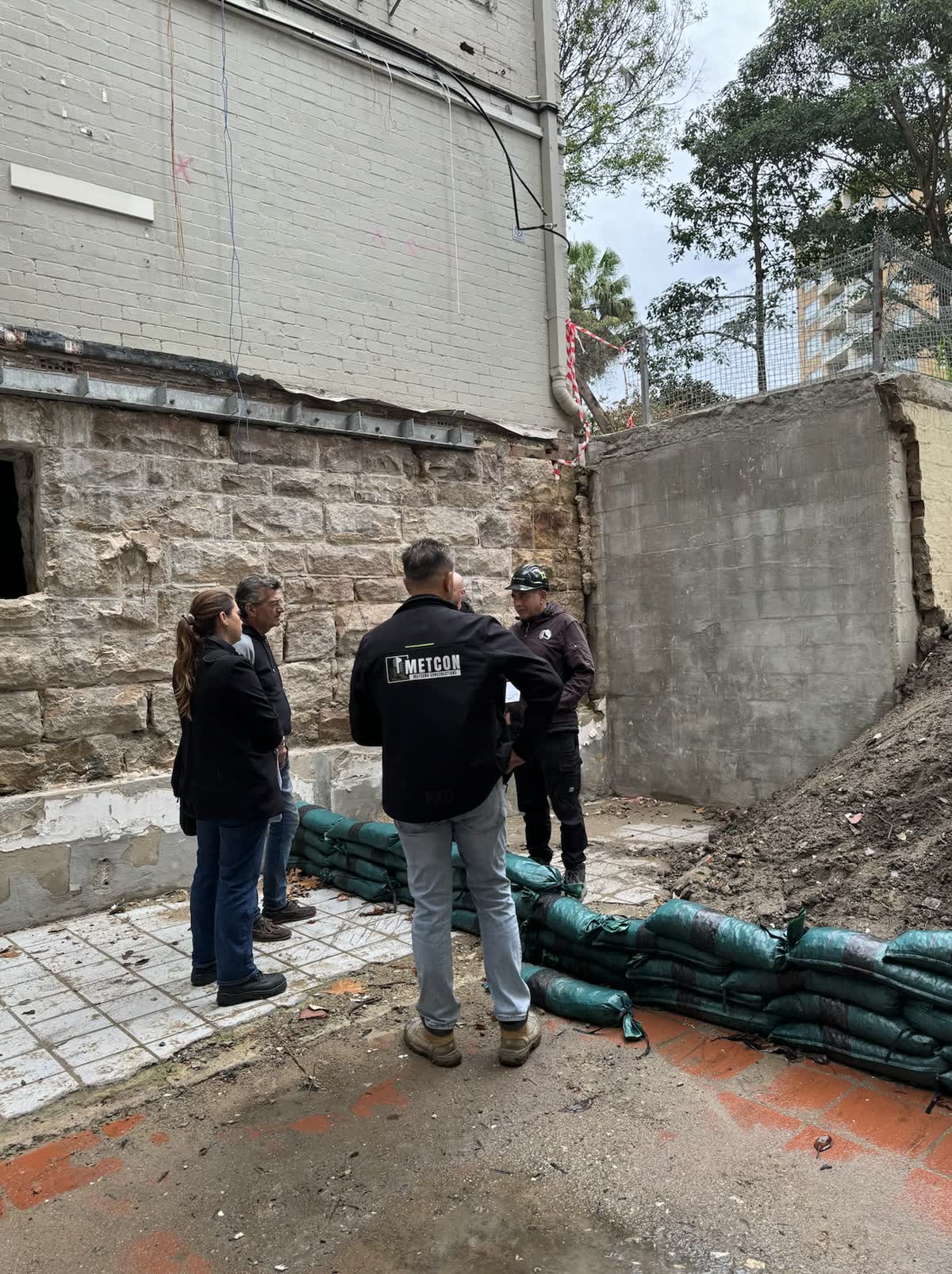
Another common point of difference is excavation and ground movement. Projects involving footings, basement works, retaining walls or underpinning carry a higher risk profile. Some insurers impose tighter conditions, higher excesses or exclusions around collapse, subsidence, heave, vibration and movement of adjoining property.
Water damage is another area where assumptions cause trouble. Sudden storm damage is one thing. Long-term ingress, poor site protection, defective waterproofing or gradual deterioration are another. Policies may respond differently depending on cause, timing and whether the issue is considered an insured event or a workmanship defect.
Then there is defective work itself. Insurance does not exist to replace proper supervision, Australian Standards compliance, engineer coordination or disciplined site management. Most policies do not simply cover the cost of correcting poor workmanship. They may cover resulting damage from an insured event in some circumstances, but the defective work exclusion is one of the most misunderstood parts of construction insurance.
Why project type changes the insurance conversation
A new detached dwelling on a clean block is not assessed the same way as a terrace extension in the Inner West, a commercial refurbishment in the CBD, or a structural repair to an ageing building with known movement issues.
Occupied residential renovations have a particular risk profile because there is greater exposure to the homeowner's existing property, contents, access arrangements and day-to-day safety. Commercial fitouts raise different issues around after-hours work, fire risks, services coordination and business interruption exposure.
Projects involving demolition, piling, excavation, shoring or structural alteration require even more scrutiny. These are not fringe scenarios in NSW construction. They are common enough that clients should expect a builder to explain the insurance position clearly and in plain language.
This is one reason disciplined builders put as much emphasis on documentation and scope clarity as they do on trade execution. Insurance works best when the declared works accurately reflect the real job.
What clients should ask before signing a contract
Ask for the current certificate of currency, but do not stop there. Ask what the policy covers in relation to your specific project. If the works involve excavation, structural steel, demolition, retaining walls, remediation or staged occupation, ask directly whether those activities are contemplated under the policy.
It is also worth asking whether the sum insured reflects the replacement value of the works, not just a rough contract figure. Underinsurance can become a serious issue after a major event. The same goes for excesses. A low premium paired with a high excess may change the practical value of the cover.
You should also confirm who is named or noted on the policy where relevant, whether subcontractors are required to carry their own insurance, and how incidents are reported and documented if something occurs on site. Builders who are disciplined in their paperwork are usually more reliable when claims or disputes arise. For guidance on selecting a licensed builder, see our guide on choosing a licensed builder in Sydney.
The limits of insurance and why that matters
Insurance is not a substitute for capability. It is a backstop, not a quality system.
A builder with broad cover but weak supervision, poor sequencing and vague subcontractor control can still create avoidable risk. By contrast, a builder who works to engineer detail, manages approvals properly, documents variations and keeps site controls tight is reducing the chance that insurance needs to be tested in the first place.
That is the real trade-off clients should understand. Insurance matters, but prevention matters more. The strongest position is a builder who is properly insured and operationally disciplined.
For complex NSW projects, that usually means looking for a contractor who can explain not just their policy, but also their process, how they manage structural detail, council requirements, temporary works, neighbour risk, safety controls and handover documentation. At METCON, that is the standard clients should expect from the outset.
Builder insurance comparison review, the practical takeaway
If you are comparing builders, compare insurance the same way you compare scope, exclusions and programme. Ask what cover is in place, what the policy excludes, whether the declared works match the actual works, and how the builder manages risk before a claim ever becomes necessary.
A serious review is not about collecting certificates in a folder. It is about making sure the builder's insurance position supports the job you are asking them to deliver. When the work involves structural change, occupied premises, excavation or compliance-heavy construction, the details are not optional. They are part of building properly.
The best time to ask hard questions about insurance is before site establishment, not after a problem has already started to spread. Get in touch to discuss your project.